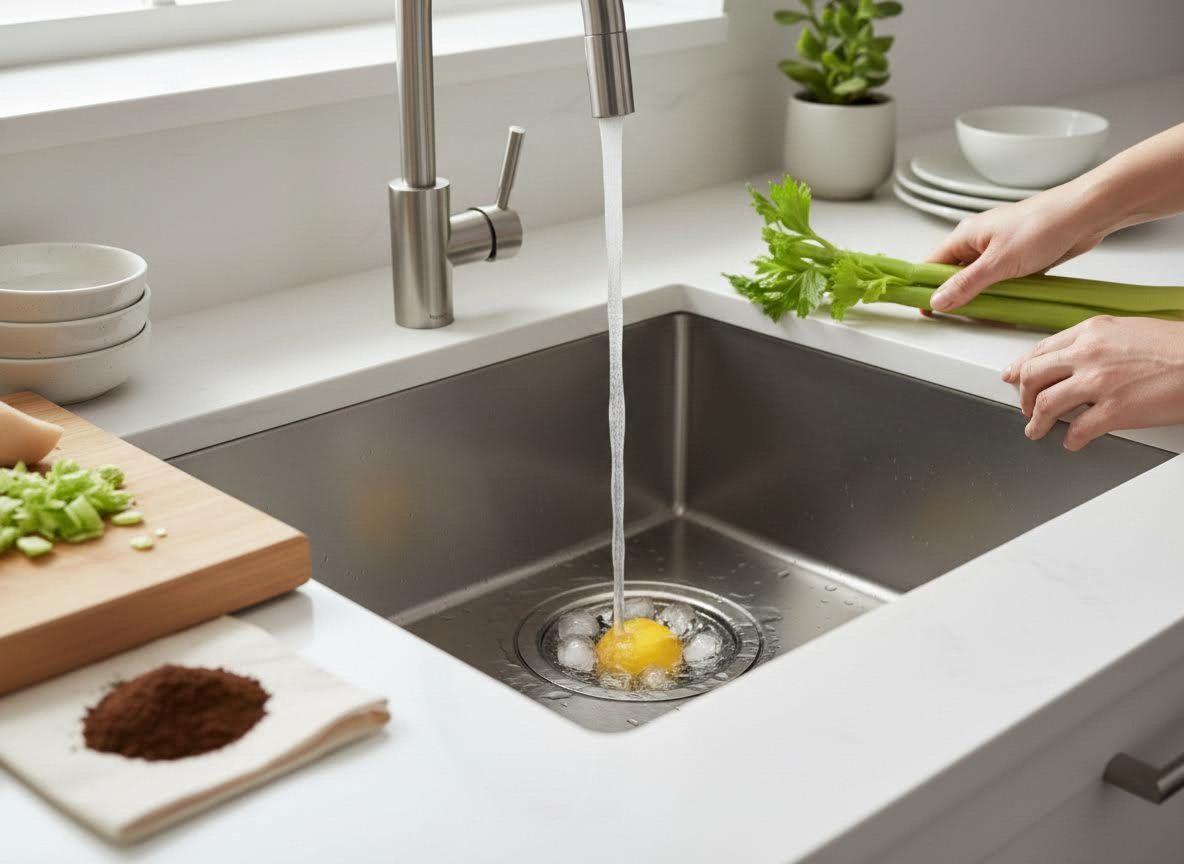
A garbage disposal is a convenience many homeowners rely on daily, making kitchen cleanup significantly easier. However, improper use can lead to frustrating clogs and premature wear, turning a helpful appliance into a headache. Understanding how to properly maintain your garbage disposal can save you time, money, and the hassle of unexpected plumbing issues. Pro Flow Plumbing is here to help you keep your kitchen running smoothly with these essential best practices.
What NOT to Put Down Your Garbage Disposal
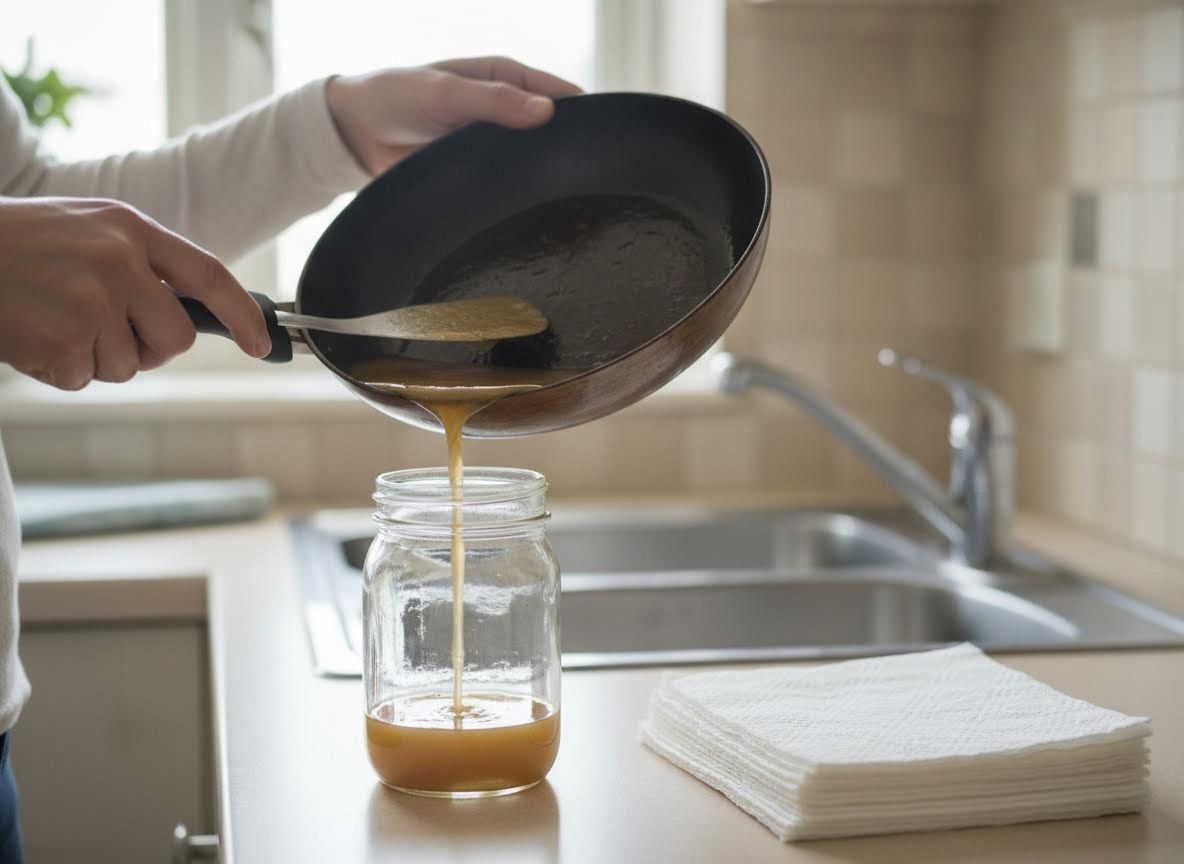
One of the most crucial steps to prolonging your garbage disposal's life is knowing what items to absolutely avoid. Stringy vegetables like celery, asparagus, and corn husks can wrap around the grinding mechanism, causing it to jam or even burn out the motor. Coffee grounds, while seemingly innocuous, can accumulate in your pipes over time, leading to stubborn blockages that even industrial drain cleaning may struggle with. Grease, oils, and fats are also major culprits; as they cool, they solidify and cling to your pipes, drastically restricting water flow and creating serious general plumbing issues. Never dispose of non-food items like plastic, glass, or metal, as these can severely damage the grinding components.
Effective Usage and Maintenance Practices
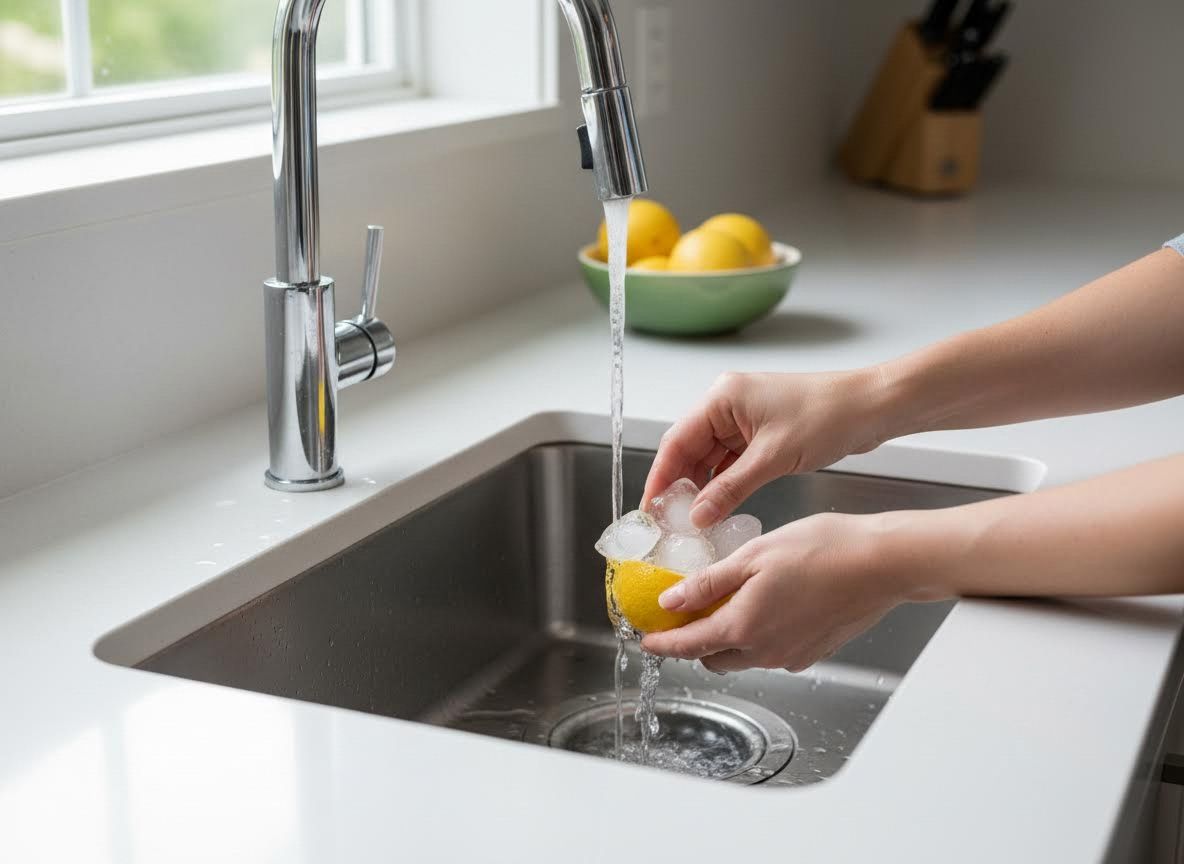
Beyond avoiding problematic items, adopting smart usage habits is key to your disposal's longevity. Always run cold water before, during, and for at least 30 seconds after grinding. Cold water helps to solidify any grease or oils, allowing them to be chopped into smaller pieces and flushed away more easily. It also prevents the motor from overheating. Don't overload the disposal; feed food scraps gradually. For routine cleaning and to combat odors, grind a tray of ice cubes occasionally, followed by half a lemon or orange peel. The ice helps to clean the grinding elements, while citrus adds a fresh scent, maintaining overall plumbing hygiene.
Recognizing Signs of Trouble
Even with the best practices, disposals can develop issues. Familiarize yourself with the warning signs to prevent minor problems from escalating into major repairs. A humming noise without grinding often indicates a jam, which can sometimes be cleared using the hex key provided with your unit. Persistent foul odors that don't dissipate after cleaning could signal food particles trapped in hard-to-reach areas, potentially requiring a professional inspection. Slow drainage from your sink, even when the disposal isn't running, can point to a developing clog further down the general plumbing line, often due to grease buildup or food debris. Don't ignore leaks around the disposal's base or connections; these can cause significant water damage if left unaddressed.
A jammed garbage disposal or a backed-up kitchen sink is the last thing you want to deal with when hosting guests or preparing a meal in your desert oasis. When minor troubleshooting isn't enough, or if a disposal clog has pushed deeper into your kitchen's drainage lines, it is best to leave the heavy lifting to the professionals to avoid damaging your high-end sink basins and plumbing infrastructure. Contact us today to schedule your kitchen plumbing checkup and ensure your home stays perfectly functional!